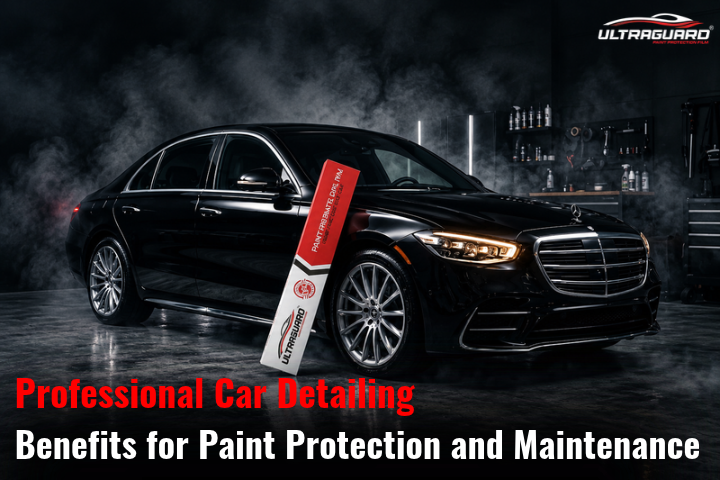
Detailing Services for car are more than washing and waxing. This is a careful process that recovers, safeguards, and improves the shape and value of the vehicle. However, not all detail services are done equally, and not all cars require equal treatment. Whether running a compact sedan, a strong SUV, a luxurious sports car, or a vintage classic, you can choose the best detail service that fits your specific vehicle type and can make all the difference. This blog will help you understand what is included in car detailing services, the unique needs of different vehicles, and how to choose the most appropriate detailing service for your car.
Understanding Car Detailing Services: What’s Included?
Detailing involves deep cleaning and repetition of the vehicle’s inner and outer. It is more accurate and labor-intensive than a standard car wash. Here is the breakdown of the two main types:
1. External Detailing
External detailing Services for car focus on restoring and protecting the vehicle’s outer surfaces. This process involves proper car wash, cleaning, correcting, and protecting finishes and components.
Wash Rinse
Purpose: Prevent loose dirt, dust, and freezing on the road and remove the contaminants from the surface.
Process: Professionals usually use a hand washing method with specified automobile shampoo on top of the vehicle, helping lift the dirt without scraping the paint. The Two-bucket method is often used to reduce swirl marks by using one bucket for cleaning and soapy water, while the following process is meant to renew using the clay bar.
Equipment: Microfiber washing and drying towels for microfiber are used to avoid scratches during drying.
Benefits: Protecting the surface from micro-collection, leaving the car clean.
Clay Treatment
Purpose: Built-in contaminants usually don’t get cleaned up while washing, for example, like metallic impurities.
Process: A ground dressing (used with lubricants) is gently rubbed on the car’s surface, which grabs and removes the particles that stick to clear coatings.
Advantages: A smooth finish for paint restores and prepares the surface to shine or grow.
Shine
Objective: To correct minor errors in paint, such as fine scratches, scars, oxidation, and water stains.
Process: Using an orbital or rotating buffer with polishing compounds, the surface is smoothed to remove the faults easily.
Advantages: Restores the brightness and depth of paint and increases the vehicle’s visual appeal.
Waxing or Sealing
Purpose: Protect car paint from environmental elements such as UV rays, rain, bird droppings, and road salt.
Wax or Sealing Agents
Wax is usually natural and provides a warm glow with short-term safety
Sealing agents are synthetic and provide prolonged protection, sometimes up to 10 years.
Benefits: A hydrophobic barrier makes the water bead back and makes future cleaning easier by increasing the shine.
Tires and Cleaning of Wheels
Purpose: Cleanse the dust, dirt, and gravel accumulation from wheels and tires.
Process: A strong, pH-balanced wheel cleaner is used to scrub the wheel’s spokes, center cap, and barrel with a brush. Further, the tire is treated with tire dressing to restore a rich black finish.
Benefits: Improves aesthetics and prevents long-lasting rust, especially in alloy wheels.
Light Restoration
Objective: To restore clarity and clean up the oxidation or yellow headlights that have been cloudy over time.
Process: The surface is wet-sanded, polished, and coated with a UV sealant.
Benefits: Improves night visibility and increases the front vision of the vehicle.
2. Internal Detailing
The internal detailing Services for cars is more than cleanliness; it is about good ambiance, hygiene, and maintaining the integrity of the material over time.
Cleaning
Objective: To remove dirt, dust, food particles, and debris from the vehicle’s interior.
Process: All fabric surfaces like seats, mats, luggage compartments, and even under the seats have been thoroughly vacuumed. Special nozzles are used to reach narrow places.
Benefits: Maintaining hygiene, improving air quality, and preparing the interior for deep cleaning.
Shampoo and Steam Cleaning
Purpose: Deep cleaning of seats and leather surfaces that absorb sweat, and absorb dirt.
Process: Fabric seats and floor mats are shampooed with a dedicated padding cleaner. Steam cleaning can also be used for chemical-free cleaning, especially effective against stains and bacteria.
Benefits: The interior is cleaned of all stains, allergies, and built-in dirt, except for fresh and sanitary ones.
Leather Conditioning
Purpose: To clean, moisturize, and protect bodily surfaces due to drying, cracking, and discoloration.
Process: Leather seats and trims are cleaned with a soft leather cleaner to remove oil and frozen dust, followed by a conditioner to restore moisture and flexibility.
Benefits: Cleanses and restores the leather, maintaining its soft texture and feel, and giving it a rich look.
Dashboard and Trim Remedy
Purpose: Cleans and preserves interior things like leather seats and rubber components inside the vehicle.
Process: Surfaces such as dashboards, center console, and door panels are wiped out with a safe interior cleanser and treated with a UV-blocking protective agent to prevent fading or cracks.
Advantages: Restores the original shine of the trim, leather seats, and other interior items and prevents the loss from exposure to the sun for a long time.
Smell
Purpose: To avert unpleasant odors caused by smoke, food, pets, or bacteria.
Procedure: Smells are removed, and therefore, it is beyond just masking them with air freshener, as an ozone treatment is provided to kill odor-causing bacteria or their primary source.
Benefits: A healthy and more comfortable driving environment would be there for you and your fellow passengers.
Matching Services According to the Vehicle Type
Now that you understand what is included in external and internal details, the next step is to tailor these services depending on your car’s type, location, and use. There are various vehicles from compact daily drivers to luxurious or off-road vehicles.
Let’s see how we can match the detailed services in different vehicle categories to ensure optimal care and value.
Detailing Services for car and Their Adaptation
Different cars require separate detailing techniques and levels of attention. Here is a detailed observation based on vehicle types:
1. Economy and Compact Cars
These are usually daily drivers – Let’s take the example of the Toyota Corolla, Honda Civic, or Hyundai Ioniq.
Idea:
- Commuting and urban driving can experience a lot of everyday wear and tear.
- The interior often accumulates food pieces, pet hair, or coffee stains.
Recommended Services:
- Standard Exterior Wash + Wax: Protects paint from UV rays and minor scratches.
- Interior deep cleaning and vacuuming: Keeping the seats, floor, and fabric clean.
- Motor cleaning (optional): Useful if you plan to sell a car.
2. Medium-Sized Sedans and Family Cars
Popular options include the Toyota Camry, the Honda Accord, or the Ford Fusion. They often serve family goals.
Idea:
- High internal traffic (children, pets, snacks).
- Possible spread, stains, and odor in buildings.
Recommended Services:
- Deep internal cleaning with steam: Required for hygiene and aesthetics.
- Leather or furniture treatment: Protect the condition and seating.
- Internal Security: Protects the dashboard and interior from UV damage.
- Allergen/odor removal treatment: Ideal for families with allergies or pets.
3. SUV and Crossover Cars
These vehicles are often used for off-roading, family car trips, and carrying sports equipment or pets.
Idea:
- A large surface area means an extension of time for a long drive.
- Increased contact with dirt, mud, and road salts (especially All Wheel Drive models).
- Versatile interior configurations can trap dust and debris in the cracks.
Recommended Services:
- Cleaning and polishing: Removes built-in grime and restores shine.
- Protective coating, PPF coating, or sealant: This especially adds durability for terrain vehicles.
- Interior steam cleaning + fabric protection: Herein, keeping the interior fresh for your family is crucial.
- Wheel and undercarriage cleaning: It is necessary for areas that come into contact with the road.
4. Luxury Car
Examples include BMW, Audi, Mercedes-Benz, Lexus, and Tesla.
Idea:
- High-end materials (leather, paintwork, and engine) require special care.
- Glossy paint finish and chrome detailing services for cars demand expert handling.
- Owners often expect results similar to those of a showroom level.
Recommended Services:
Hand washing and the two-bucket method: Reduces getting scratches on your vehicle’s delicate paint.
- Paint enhancement (if necessary): Removes errors from clear coats.
- Leather conditioning with pH-neutral products: Maintains the excellent condition of the leather.
- Ceramic coating or paint protection film gives long-lasting protection with a premium finish.
5. Sports Car and Demonstration Vehicles
Think about Mustang, Porsche, or Lamborghini. These cars are often garaged and operated sparklingly.
Idea:
- A show car finish requires advanced detailing services for cars.
- Aerodynamic designs create difficult areas.
- This makes dust and road dirt accumulate quickly.
Recommended Services:
Paint improvement and polishing: Bring maximum shine.
- Motor Bay detailing services for cars: Ideal for show or resale value.
- Brake dust removal and wheel seal: Cleaning up the wheel and protecting it with the coating assists in keeping the wheel protected.
- Internal detailing services for cars with UV protection: Maintain aesthetics during seasonal use.
6. Classic and Vintage Cars
They require a careful, conservation-centered approach instead of aggressive cleaning.
Idea:
- Sensitive paint and trim.
- Basic materials such as real wood, vintage leather, or chromium can be included.
- Restoration is only required instead of cleaning.
Recommended Services:
- Mild hand washing and drying: prevents stripping of the paint.
- Mild polishing: For old clear coat or single-phase paint.
- Leather conditioner: Restores and protects old leather.
- Chrome polishing and rust prevention: Assist in preserving the vintage appearance of the metal surfaces.
Choose the Right Detailing Services
How do you choose correctly with so many detailing services for cars offering packages?
1. Look for expertise
Choose a service that your vehicle has already been done with. A retailer who often works on various cars will understand specific materials and design performance.
2. Ask about the products used
High-quality car detailing services depend on safe, effective products. Ask if they use pH-balanced cleaners, microfiber towels, and non-toxic products.
3. Check reviews and portfolio
Customer reviews tell a lot about their work performance or their product quality. Look for stability in results and satisfaction.
4. Ask about certificates
The International Detail Association (IDA) or similar bodies have formal training in best practices in detailing.
5. Just don’t leave the price
Cheap services can leave out essential steps. See the price instead of the affordable price, as the vehicle’s condition depends on it.
Frequency of Detailing
| Vehicle Type | Frequency (General Use) | Frequency (Heavy Use) |
| Compact cars | Every 4-6 months | Every 2-3 months |
| Family | Every 3-4 months | Monthy |
| SUV and crossover | monthly | Monthly |
| Luxury cars | before monthly | Monthly or before events |
| Sports car | monthly | Monthly or seasonal |
| Annual (protection) vintage cars | before shows | before shows or sales |
DIY vs. Professional Car Detailing
While DIY detailing services for cars can be satisfactory, the limitations are:
DIY Pros:
- The price is effective for regular maintenance.
- Great for fast cleaning or on-the-go services.
DIY Cons:
- There is a risk of damage to the wrong equipment or chemicals.
- It is time-consuming and physically demanding.
- Limited access to high-end products, such as paint protection film.
- Professional detailing services for cars are worth investing in to consider deep restoration, permanent safety, and expansion if you work with a luxury, classic, or high-end vehicle.
Conclusion
Not all cars are done the same, as they hold different detailing services for car. Whether you maintain a reliable daily driver, show a valued classic, or protect your luxury investment, choosing exemplary detail service means understanding your vehicle’s unique needs. Take time to evaluate the car’s significance, use, and value. Then, you can partner with a detailer with the expertise and tools to deliver results for your vehicle.
Your car is not just about the look; it reflects care, pride, and protection. Choose wisely; your vehicle will reward you with beauty and a comfortable drive.
FAQ’s – Auto Detailing
Q1. How do I select a good car detailer?
Here are the pointers for choosing a good car detailer as follows:
- Look at their reputation
- Number of services given by them
- The years of experience they have
- The kind of modern equipment they use
- Their price is worth it for their services
Q2. What are the significant steps for detailing a car?
Below you will find the major steps of detailing a car.
- Pre-wash examination
- Rinse and pre-wash
- Properly clean the wheels and tires
- Give it a hand wash
- Clay bar treatment
- Polishing
- Safeguard it with sealants and wax
- Trim and glass detailing
- In the end, final touches have been given
- The tire dressing and finish appearance evaluation have been done
Q3. Who is the targeted audience for detailing services for car?
The target audience for car detailing is wealthy individuals who place significance on managing and maintaining the appearance and cleanliness of their luxury vehicles.
Q4. What are the three steps of detailing?
The basic three steps of detailing are as follows:
- Compounding the painted surface
- Polishing it and making it glaze
- In the end, protect it with a coat, either with wax, sealant, or paint protection film
Q5. Is paint protection film worth it?
Yes, a paint protection film is worth it, as it safeguards your vehicle from harmful environmental issues such as stone chips, minor scratches, discoloration, bird droppings, chemicals, oil stains, etc.



0 Comments