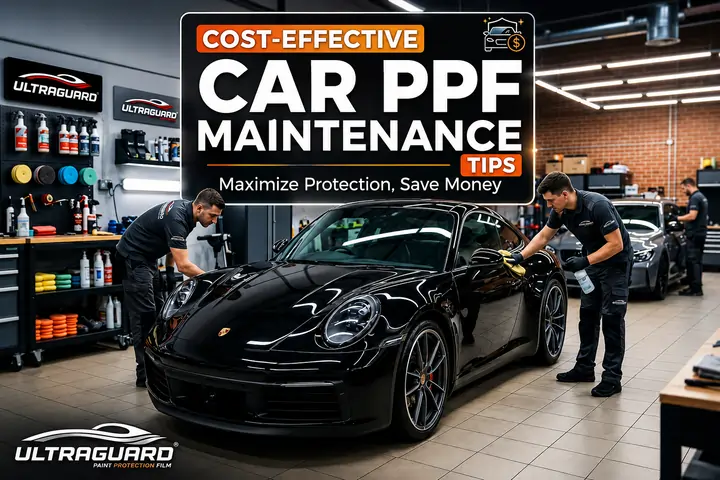
Paint Protection Film (PPF) is one of the most effective ways to protect a car’s paint from stone chips, road debris, bird droppings, tree sap, and daily wear. However, many car owners assume that maintaining PPF requires expensive detailing services and frequent professional treatments.
The reality is different.
With the right maintenance routine, you can keep your paint protection film looking clear and glossy for years without spending thousands on unnecessary services. A few simple habits, proper washing techniques, and timely contaminant removal can significantly extend the lifespan of your film while reducing long-term maintenance costs.
This guide explains practical and cost-effective PPF maintenance tips , helping car owners preserve their investment while avoiding common mistakes that lead to premature film damage.
What Does PPF Maintenance Actually Cost?
Many owners overspend because they believe professional detailing is required every month. In reality, most routine maintenance can be done at home.
| Maintenance Task | Average DIY Cost | Average Professional Cost |
|---|---|---|
| Regular Wash | ₹100–₹300 | ₹500–₹1,500 |
| Bug & Bird Dropping Removal | ₹50–₹200 | Included in detailing |
| Decontamination Wash | ₹300–₹800 | ₹1,500–₹4,000 |
| Ceramic Top-Up (Optional) | ₹500–₹1,500 | ₹3,000–₹10,000 |
| PPF Inspection | Free | ₹500–₹2,000 |
A basic home-care routine can reduce annual maintenance expenses substantially while keeping the film in excellent condition.
The First Week After PPF Installation
The first few days are critical because the adhesive underneath the film continues to settle and cure.
During the First 7 Days:
• Avoid washing the vehicle.
• Do not use pressure washers.
• Avoid rubbing film edges.
• Minimize exposure to extreme contamination.
• Allow trapped moisture to evaporate naturally.
Many installation issues occur because owners wash or scrub the film too soon after installation.
Follow a Simple Weekly Washing Routine
The easiest way to extend PPF life is regular washing.
Step 1: Pre-rinse the vehicle.
Use water to remove loose dirt and dust before touching the paint. This reduces the risk of scratching the film during washing.
Step 2: Use a pH-Neutral Car Shampoo
Avoid:
• Dishwashing liquid
• Laundry detergents
• Household cleaners
These products can degrade protective layers and reduce the appearance of the film over time.
Step 3: Use the Two-Bucket Method
One bucket contains a clean shampoo solution. The second bucket is used for rinsing the wash mitt. This simple technique minimizes swirl marks and contamination transfer.
Step 4: Dry With a Microfiber Towel
Avoid:
• Old cotton cloths
• Rough towels
• Low-quality drying cloths
Microfiber towels reduce friction and help preserve film clarity.
Remove Contaminants Immediately
One of the biggest reasons PPF ages prematurely is contamination left on the surface for too long.
Bird Droppings
Bird droppings contain acidic compounds that can stain surfaces if ignored.
Remove them as soon as possible using:
• Clean water
• Quick detailer spray
• Soft microfiber cloth
Tree Sap
Tree sap becomes harder to remove as it cures. Fresh sap can usually be removed without expensive correction work.
Bug Splatter
Bug remains contain proteins and acids that can bake onto the surface during hot weather. Prompt cleaning prevents permanent marks.
Avoid Automatic Brush Car Washes
Automatic brush washes may save time but can create:
• Surface scratches
• Film haze
• Edge lifting
• Swirl marks
Touchless washing systems are generally safer than brush-based systems. If possible, hand washing remains the most cost-effective option.
Protect PPF From Hard Water Stains
Hard water spots are common in many Indian cities. When water evaporates, mineral deposits remain on the surface.
To Prevent Water Spots:
• Dry the car immediately after washing.
• Avoid washing under direct sunlight.
• Use filtered water if available.
• Do not allow rainwater to dry naturally for extended periods.
Preventing water spots is significantly cheaper than correcting them later.
Monsoon Maintenance Tips
Indian monsoons create unique challenges for PPF owners.
During Rainy Season:
• Wash mud off quickly.
• Remove road grime frequently.
• Inspect film edges monthly.
• Dry standing water whenever possible.
Road contaminants mixed with rainwater can remain on the surface for days if ignored.
Summer Care Tips
High temperatures can accelerate contamination buildup.
Best Practices:
• Park in shaded areas whenever possible.
• Remove bird droppings immediately.
• Avoid prolonged exposure to industrial fallout.
• Wash more frequently during dust storms.
Heat itself does not usually damage quality PPF, but contaminants become harder to remove when baked onto the surface.
Five Expensive Mistakes That Shorten PPF Lifespan
1. Using Household Cleaning Products
Many contain chemicals that are not designed for automotive surfaces.
2. Ignoring Bird Droppings
Acidic contamination can leave lasting marks.
3. Pressure Washing Film Edges
Direct high-pressure water can weaken edge adhesion.
4. Parking Under Trees Every Day
This increases exposure to sap, leaves, insects, and bird droppings.
5. Washing Only When the Car Looks Dirty
Invisible contaminants often damage surfaces before they become visible.
Is Ceramic Coating Necessary on Top of PPF?
Not always.
Ceramic coating can:
• Improve water repellency
• Simplify cleaning
• Enhance gloss
However, it is optional for most owners.
If your goal is cost-effective maintenance, regular washing and contaminant removal often provide sufficient protection.
When Should You Seek Professional Help?
Professional inspection may be necessary if you notice:
• Edge lifting
• Yellowing
• Deep stains
• Adhesive issues
• Physical damage from impacts
Addressing small issues early is usually less expensive than replacing entire sections of film.
How to Make Your PPF Last 7–10 Years
Follow this checklist:
• Wash every 1–2 weeks
• Use pH-neutral shampoo
• Dry with microfiber towels
• Remove bird droppings immediately
• Avoid brush car washes
• Inspect edges monthly
• Prevent hard water stains
• Park in covered areas when possible
• Address minor damage early
Consistent maintenance is far more important than expensive detailing packages.
Conclusion
PPF maintenance doesn’t have to be expensive. Regular washing, quick contaminant removal, and proper care habits can help keep your film in excellent condition while avoiding unnecessary detailing costs. With a simple maintenance routine, you can extend the lifespan of your PPF and protect your car’s appearance for years to come.
FAQ’s – Essential Paint Protection Film Aftercare Tips
Q1. How often should I wash a car with PPF?
Every 1–2 weeks is generally sufficient, although vehicles exposed to heavy dust, rain, or highway driving may require more frequent cleaning.
Q2. Can I wash a PPF-protected car at home?
Yes. Home washing using proper techniques is one of the most cost-effective ways to maintain PPF.
Q3. Does PPF require regular detailing?
No. Routine washing and contaminant removal are usually enough for everyday maintenance.
Q4. Can pressure washers damage PPF?
Pressure washers are generally safe when used correctly, but direct spraying at film edges should be avoided.
Q5. What reduces PPF lifespan the most?
Ignoring contaminants, improper washing techniques, hard water stains, and prolonged neglect are among the most common causes of premature deterioration.
Q6. Is ceramic coating mandatory over PPF?
No. It can provide additional convenience and appearance benefits, but it is not mandatory for maintaining PPF.

0 Comments