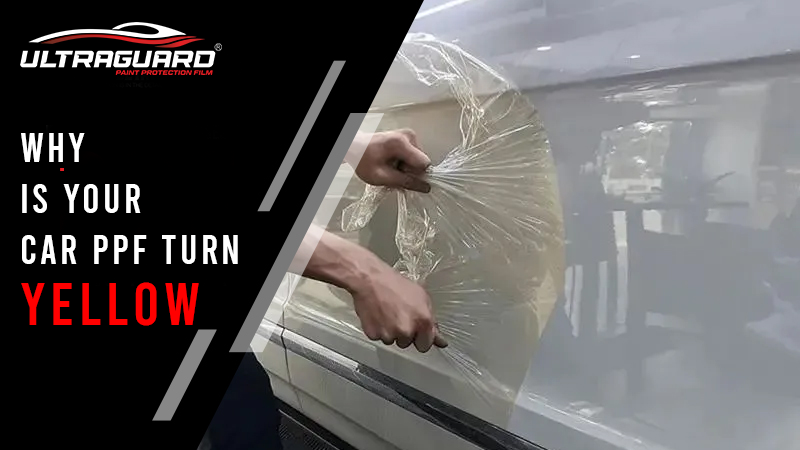
Paint Protection Film (PPF) is one of the most popular methods for keeping the car paint intact and protecting it from scratches, stone chips, and tough weather conditions. While Paint Protection Film promises long-lasting clarity and glow, many car owners have this frustrating problem: The car PPF turn yellow over time. If you have known about crystal-clear paint protection film that disappears or changes color, you are not alone. Let’s understand the science behind why this happens and how you can stop the car PPF turn yellow and destroying the appearance of the vehicle.
What Exactly is a Paint Protection Film?
Let’s shorten what PPF is before you dive into yellowing it.
Ingredients: PPF is usually made of a thermoplastic urethane.
Function: It acts as a barrier that protects the original paint of your car from external damage.
Types: Some films are basic, while others are advanced with self-healing properties, hydrophobic layers, and UV resistance.
A high-quality PPF should remain invisible for years. But in fact, poor maintenance, cheap materials, or environmental risk often changes the paint film to a yellowish color.
Understand the Problem of Why Does Car PPF Turn Yellow?
When you invest in PPF, you hope it will be invisible. In recent years, however, many users report that their paint protection film turn yellow, causing the car to have a dull or older look. The problem is usually due to the combination of environmental factors, material quality, and maintenance practices.
Why is Your Car PPF Turn Yellow?
Here are the reasons behind your car ppf change yellow color:
1. PPF Content Might be of Low Quality
Not all PPFs are made equally. Old films often use low-quality polyurethane or glue that dries quickly. When exposed to UV rays, these materials cause the paint protection film to turn yellow.
2. Long-time UV Exposure
Direct sunlight is one of the main causes of discomfort. Continuous UV exposure breaks down the chemical composition of the film, causing oxidation and yellowing effects on the paint protection film.
3. Environmental Pollution
Acids can reach the surface from rain, smog, roads, and other pollutants. Over time, they react with paint protection films and further discolor them.
4. Improper Cleaning Product
Fast or acidic cleaning chemicals can accelerate the yellowing process. If you use a strong detergent or abrasive detergent, you can damage the upper coat, and eventually it will turn yellow.
5. Heat and Moisture
In warm and humid climates, the glue layer with PPF often breaks down rapidly. It not only leads to bubbling but also causes discomfort, leading to a change in the yellow color of the paint protection film.
6. Age of the Paint Protection Film
No PPF is forever. Of course, oxidation and chemical effects the film, but after many years of usage. And if it is turning yellow within a few months or a year, then definitely it will impact its aging as well.
The Effects of Car PPF Turn Yellow
Below you will see the effects of paint protection film changes to yellow color.
- Beauty Decline: When invisible PPf used to give your car safety, but now it gives an unattractive yellowish color to your car.
- Resale Price Effect: Buyers can assume that the vehicle is not well-maintained.
- Low Safety: Yellow colors often indicate the weakening of the film, which means it cannot effectively adapt to your paint.
How to Stop a Car PPF Turn Yellow Color
Is your vehicle’s paint protection film gone yellow? Here are the measures to prevent it.
1. Select High-Quality PPF
Premium PPF brands have UV-resistant technology and an advanced topcoat that opposes oxidation. Always choose a reliable manufacturer that guarantees comfort like Ultraguard.
2. Parks in shaded or covered areas
Reduce UV exposure by placing a car in a garage or a shaded parking space. This simple step can delay the yellowing process of the paint protection film. Park in shaded or covered areas
3. Use the Ideal Cleansing Products
Switch to pH-neutral vehicle shampoo and avoid harsh chemical compounds. Washing regularly with unsafe products allows for the production of contaminants that cause PPF discoloration.
4. Regular Upkeep
Think of the ceramic coating on top of the PPF. It adds a further layer of UV and chemical resistance, and keeps the film prepared for a longer journey.
5. Timely Replacement
If your paint’s safety has become yellow and is beyond recovery, the best answer to this is to change. Removing this guarantees that each aesthetic and safety is restored.
Can You Repair the PPF Appearance?
Unfortunately, while the car PPF turn yellow, there is no means to restore it to its authentic transparency. Polishing or detailing can barely lessen the surface oxidation; however, it cannot eliminate the yellowish color. The handiest answer is to dispose of the old film and set up a brand new, high-quality PPF.
How Modern PPF Solves the Problem of Yellowness
For years, the largest defect of PPF was the fading and discoloration. The early generations of films were generally used to change up yellowish after a few years, and make them look older than their actual age. But with progress in materials and technology, modern PPF has almost eliminated the problem.
This way:
1. Polycaprolactone TPU Base is a Game Changer
Unlike old car PPF turn yellow, the latest technology holding one doesn’t, as it uses a specific type of polyol-based TPU; today’s premium films are made with Polycaprolactone TPU Base. This material has a non-yellowing chemical composition that maintains its clarity even after many years of usage. This is why changing your old film with modern PPF reduces the chances of your car turning yellow.
2. Self-Healing Top Layer
New Age PPFs have self-healing coatings that repair light scratches and swirl marks when exposed to heat. This not only makes the car look fresh, but also prevents minor scratches. Whereas in the conventional one, the contaminants are used to settle and quicken the car PPF turn yellow.
3. UV Inhibitor for Clarity, too for Long Duration
In addition to advanced UV inhibitors, the film actively counteracted sun damage. Instead of oxidation and disappearance as in older versions, the latest films remain crystal clear. In hot, humid climates, harmful UV rays are the main cause behind the paint protection film turning yellow.
4. Extended Warranty
The iconic brands now provide a 7-10 year warranty against yellowing, bubbling, or lifting. This not only shows confidence in technology, but also gives peace to car owners that they are not facing early discoloration.
Ultragard PPF is a Modern Solution for Yellowing
One of the prominent examples of the next-generation technology is Ultraguard PPF, which is engineered to remove the traditional problems with car PPF turn yellow.
If you are worried about converting up of the paint protection film to yellow, are these the key pointers of why Ultraguard is a smart investment?
Polycaprolactone TPU Base
Ultragard PPF is designed using high-quality polycaprolactone TPU, which has been sourced from Wanhua, BASF, Lubrizol, and its adhesive layer glue is sourced from Ashland, which ensures maximum oxidation resistance and prevents the car PPF turn yellow.
Advanced Self-Healing Surface
Wherein the scratches, scuff marks, or swirl marks do disappear with heat, keep your car ready and shiny for years.
Superior UV Protection
Infused with UV inhibitors, Ultraguard PPF also delays discomfort in contact with the extreme sun, and ensures that the paint protection film does not turn yellow.
Hydrophobic Coating
The film repels water, dirt, and contaminants, which reduces the risk of stains that can trigger yellowing prematurely.
Long-Term Warranty
10 years supported by warranty, the Ultraguard allows you to confidently know that your car will be protected and visually flawless.
By switching to Ultraguard, car owners experience the benefits of modern PPF technology without worrying about the yellow color of car PPF, even just after a few years.
Conclusion
Your vehicle deserves the safety that improves its appearance; do not dull it. If your paint protection film turns yellow, it is a signal of poor quality, environmental harm, or that it is getting old. By investing in a top-rate PPF, maintaining and managing it properly, you protect your vehicle from tough environmental issues, and you may prevent the car PPF turn yellow.
PPF is an investment. Choose accurately, cope with it properly, and your automobile will continue to shine without an unwanted yellow hue.
Frequently Asked Question (FAQs)
Q1. Why does my car turn yellow over time?
The most common causes include UV damage, poor quality materials, environmental toxins, or film aging. Over time, this factor converts the paint protection film to yellow.
Q2. Can the yellow color of the PPF on the car can be fixed?
Unfortunately, when the paint protection film has turned yellow, it cannot be restored to its original clarity. The only effective solution is to remove and replace it with high-quality PPF.
Q3. How long will the safety of paint protection film last before it turns yellow?
The timeline depends on the quality of the film. Premium PPF with UV protection can last 7-10 years without discomfort, while affordable films can be yellow within 2-3 years.
Q4. Do the harmful sun rays really do ppf yellow?
Yes. UV rays are one of the biggest culprits behind PPF oxidation, as the car PPF turn yellow in strong sunlight areas.
Q5. Can ceramic coating stop the car PPF turn yellow?
Ceramic coating can avert the effects of harmful UV rays and chemical stains, but this can’t stop paint protection film from turning yellow.
Q6. Do car PPF turn yellow and damage the paint?
No, the discoloration just affects the film, not the underneath paint of it. However, when the paint protection film turns yellow, it cannot save your paint effectively.



0 Comments