The finish on a new automobile is incredibly glossy, the result of precise engineering and design. For many, it is a source of pride, a considerable investment of money, and an expression of personal style. But like a delicate painting, this beautiful surface is under siege immediately it leaves the showroom. Road trash, the elements, and even repeated crashings can tarnish its perfection, lowering its price and, more importantly, its appeal. What if your car, however, had an unseen shield that could retain its showroom gloss while shielded from the inevitable rubbing and scuffing of the highway?
Paint Protection Film is often viewed as a first-time luxury spend, but it is a smart investment with many benefits that add up to significant savings over the years. It’s more than just a cosmetic upgrade; it is a strong financial defense for your car, keeping its look alive while protecting your money from costly repairs and devaluation.
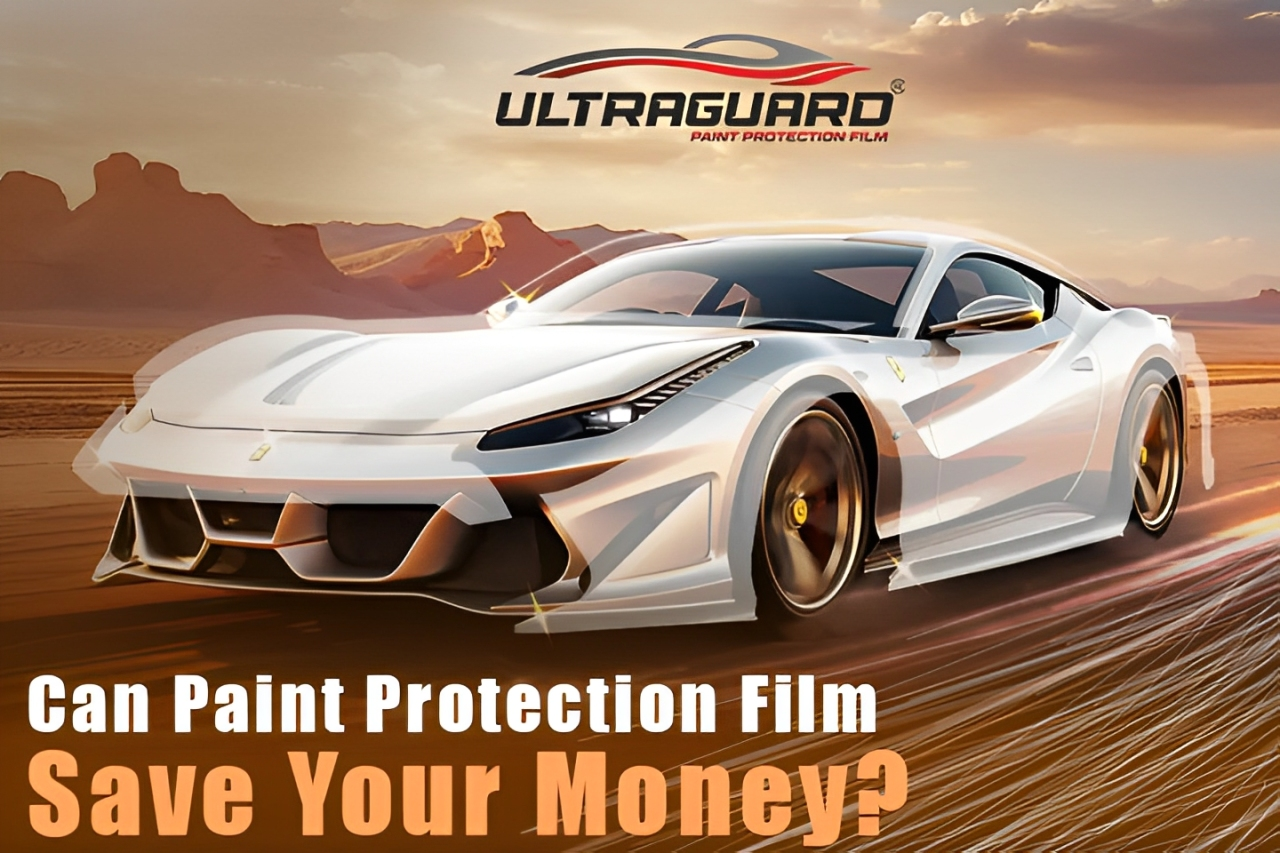
The Invisible Attack: Why Your Car Paint Needs a Hero
Picture your vehicle traveling down the highway, shining in the sunlight. What you may not necessarily think about are the countless microscopic and macroscopic dangers it encounters. Every trip subjects your car’s fragile paint to a constant attack.
Small pebbles, gravel, sand, and even pieces of discarded tires are thrown up by other cars, hurtling at your car’s front, hood, fenders, and even side mirrors. These high-speed hits usually leave unsightly and annoying stone chips – little, round depressions that reveal the primer underneath or even raw metal.
Although seemingly insignificant, these chips are not merely cosmetic flaws; they are possible sites where rust might initiate, especially in moist environments or in winter when roads are salted.
Aside from the effect of trash, your car’s paint is subject to normal scratches. Unattractive cuts and swirl marks can be left by low-impact fender accidents, a loose shopping cart in a parking lot, a bush that is getting too big and scraping the side of your car, or simply a moment of inattention while holding a key.
From little to large, these scratches compromise the paintwork’s appearance and structural soundness, detracting from the car’s overall shine.
1. Bird droppings contain harmful substances that will chip into the clear coat and create permanent stains if they are left to dry in the sun.
2. Tree sap, particularly from some plants, will bond hard to the paint and necessitate highly specialized and frequently brutal cleaning procedures that can further degrade the finish.
3. Bug splatter, a frequent condition in warmer months, is also comprised of acidic chemicals that can damage the paint if not cleaned up quickly enough.
4. In addition, acid rain, a product of industrial contamination, and UV light from the sun are long term dangers that cause paint to fade, oxidize, and become dull and lifeless with time.
The price of ignoring these dangers is high. Small scratches and dents, if not touched, will cause extensive rust, needing a lot of bodywork and painting. The reduced appearance value instantly means your car will be worth less, making it difficult to sell your vehicle or get a fair trade-in.
The constant barrage of these daily attacks eats away not only at the paint but also at the monetary value of your asset. This is exactly where Paint Protection Film comes in, playing the role of the unbeatable hero your car’s paint cries out for, confronting these dangers head-on.
Cracking the Code on Paint Protection Film: What is this Invisible Armor?
So, what exactly is Paint Protection Film, this seemingly magical shield that promises to safeguard your car’s precious finish? At its core, paint protection film is a high-grade, clear thermoplastic urethane film meticulously engineered to be applied to painted surfaces of vehicles. Think of it as a second skin for your car, an incredibly tough and transparent layer that provides a formidable barrier against a multitude of threats.
The beauty of PPF resides in its remarkable composition and properties. Unlike sealants or waxes, which provide only surface protection, PPF is a stubborn, multi-layered material created for durability. Perhaps the most striking feature of PPF is its self-healing property.
This translates into minor scratches, swirl marks, and abrasions that form on the film itself, being able to easily fade with heat applied, either from sunshine, hot water, or a heat gun. This built-in attribute keeps the film looking brand new over time, another added benefit in the long term.
Professionally installed, PPF functions by forming a sacrificial layer on top of your automobile’s original paint. This layer is so flexible and resilient that it is capable of absorbing hits from road waste, deflecting scratches from minor scrapes, and resisting etching from airborne contaminants.
Rather than the stone chip or scratch making its way to your car’s sensitive clear coat and paint, it hits the PPF, which gets hit with the force instead, leaving the factory finish below undisturbed and intact. This important role preserves the integrity of the original paint for many years to come.
Though the most popular and useful type of protection is the glossy, invisible film that preserves your car’s original gloss, PPF also exists in matte finishes for people who want a satin appearance without changing the base paint color. Some high-end films even include slight color tints or special finishes. Whatever finish, the main intent of PPF is to offer durable protection.
The durability and lifespan of Paint Protection Film are major aspects of its long-term worth. Well-made PPF, applied by qualified technicians, usually has a lifespan of 5 to 10 years or even more, subject to the brand, conditions, and maintenance.
That is a long period of protection against damage and maintenance of your car’s look, with your investment still yielding benefits each year. In effect, a properly applied PPF coating is like having a tough, clear invisibility shield, keeping your vehicle showroom-new for many years longer than paint alone ever could.
The Tangible Savings: How PPF Puts Money Back in Your Pocket
Though the upfront expense of Paint Protection Film may appear to be an expensive expenditure, its real value is actually revealed over time, as it proves itself to be an incredible money-saver. The monetary Paint Protection Film benefits are very likely the most effective reasons to take this unseen protection for your car into account.
The greatest fiscal benefit of PPF is its very significant effect on your car’s resale value. In comparison to a car with chips, scratches, and environmental damage, one with a flawless, spotless paint job gets a far higher trade-in or private sale price. The external condition of your car is often the first and most important impression made by a potential buyer or dealership when they evaluate it. A flawless finish indicates meticulous care and suggests the car has been well-maintained overall. Without PPF, before selling, you could be stuck with the expensive option of professional paint correction or even a complete respray in order to have your car in decent shape and able to compete in the market.
These procedures can easily cost hundreds or thousands of dollars, literally taking away from your possible sale profits. With PPF, your vehicle still has its “like-new” paint finish, most likely saving you thousands of additional dollars when it’s time to sell, essentially recouping the cost of the PPF investment.
Aside from resale, PPF actively protects you from the expense of repairs and repaints. Let’s run through the possible costs. The expense of properly touching up a single, noticeable stone chip on your hood could range from INR 4,276 – 12,828, and even then, the fix might not be completely undetectable. Depending on the car and the degree of damage, a deeper scratch that requires repainting a single panel can easily cost INR 25,656 – 85,522 or more. Consider several chips spread out on the front bumper and hood, or several panels receiving scratches throughout the years – the expenses rise rather rapidly.
A full car respray, one which is frequently required when paint damage becomes severe and widespread, is an astronomical cost, usually anywhere from INR 2,56,567- 8,55,224, based on the quality of paint and labor. PPF functions as a physical shield, absorbing the impact for your paint, thus rendering these costly, time-consuming, and frequently imperfect fixes unnecessary. The cost of PPF is negligible compared to the overall expense of repeated paint damage repair.
The environmental damage protection provided by PPF also helps save a lot of money. Over time, UV rays can oxidize and damage paint, which is usually noticeable on dark or black hues. If neglected, bird droppings and tree sap can leave stubborn stains on the clear coat that can be removed with costly professional wet sanding and polishing.
These procedures can also thin the clear coat, which might affect its long-term protection. PPF serves as a barrier against these harmful substances, keeping them from ever getting to the original paint on your automobile and avoiding the need for expensive repairs.
Although never necessarily a certain and direct saving, anecdotal testimony is such that a car with Paint Protection Film may well be considered by some insurance companies to be of lower risk, which can result in limited insurance savings or at least decrease the chances of needing to make claims for low-level cosmetic damage, which PPF would protect against.
The major advantage, though, is the decrease in out-of-pocket costs for such small repairs that would otherwise cost you a deductible or affect your claims record.
In the end, the numerous Paint Protection Film benefits are more than keeping your vehicle’s appearance; they’re about wisely safeguarding your car investment. By being proactive in avoiding harm, avoiding expensive repairs, preserving low maintenance requirements, and holding resale value, PPF constantly places money back in your pocket over the years and is one of the soundest investments a car owner can make.
Beyond the Bank Account: The Ethereal Benefits of PPF
While the financial benefits offered by Paint Protection Film are unquestionably appealing, the advantages don’t begin and end there. There are a host of intangible Paint Protection Film benefits that vastly enhance your ownership experience, resulting in additional peace of mind and driving enjoyment.
The biggest benefit is peace of mind. Imagine driving your favourite car without worrying about a bird swooping overhead, a stray stone chip, or every near-miss with a shopping cart. The sensitive areas of your car are protected by an impassable and invisible barrier when you choose PPF. Because of this, you can just enjoy the journey without worrying about keeping its immaculate finish.
Having visual appeal is a direct result of this. Many car enthusiasts and owners take great pride in their vehicles. PPF keeps your car looking its best at all times, having that “fresh off the lot” finish for years on end. This continued beauty adds to the pleasure of ownership, allowing you to enjoy your investment without the distractions introduced by unsightly blemishes.
In addition, PPF saves significant time; you don’t have to spend as much time on paint maintenance if you don’t need to constantly wax, polish, or do complex detailing to clear little scratches and swirl marks. Self-healing feature reduces the amount of struggle required to keep your car in showroom condition by letting minor flaws slowly disappear. This time saved can be diverted toward more leisurely activities, or just enable you to spend fewer hours on drudgery.
Lastly, although subtle, there is a touch of environmental stewardship. By dramatically cutting down on the demand for aggressive chemicals commonly employed in paint correction and heavy-duty cleaning to eliminate tough contaminants or restore paint that’s been marred, PPF helps make car care a bit more eco-friendly. Reduced use of chemicals translates into reduced runoff, and that’s a small but commendable step.
In brief, the intangible benefits of Paint Protection Film raise it above a protective coating to a critical part of a better ownership experience. It relieves you of concern, guarantees long-term beauty, saves time, and ultimately enables you to more fully enjoy and cherish your car.
Making the Smart Investment: What to Consider
Investing in Paint Protection Film is a good decision, but as with any major automotive upgrade, it needs to be thoughtfully considered so you get the best out of it and extend its lifespan. It’s not about obtaining any PPF; it’s about obtaining the right PPF, with proper installation.
The integrity of the film itself is most important. The market is full of different brands of Paint Protection Film, and they are not all made equal. Quality brands such as Ultraguard have established themselves as having the best clarity, self-healing, stain resistance, and durability. Choosing a lower-cost, lesser-known film may cost you less initially, but could result in premature yellowing, delamination, or decreased protection, costing you.
FAQ’s – Is PPF Worth It for Cars in India?
Q1. What is Paint Protection Film (PPF)?
Paint Protection Film (PPF) is a transparent protective layer applied to a vehicle’s exterior to shield the paint from scratches, stone chips, stains, and environmental damage.
Q2. How long does Paint Protection Film last?
High-quality Paint Protection Film can typically last between 5 to 10 years, depending on the product quality, installation process, and maintenance.
Q3. Is Paint Protection Film worth the investment?
Many car owners consider PPF a worthwhile investment because it helps preserve the vehicle’s paint condition, maintains resale value, and reduces repair and repainting costs.
Q4. Can Paint Protection Film be removed safely?
Yes, Paint Protection Film can be professionally removed without damaging the original paint when it is properly installed and maintained.
Q5. Does Paint Protection Film require special maintenance?
PPF requires basic vehicle care such as regular washing and avoiding harsh chemicals to maintain its appearance and protective properties over time.


0 Comments